Applications /
CO₂ & Hydrogen Transport

CO₂ Transport
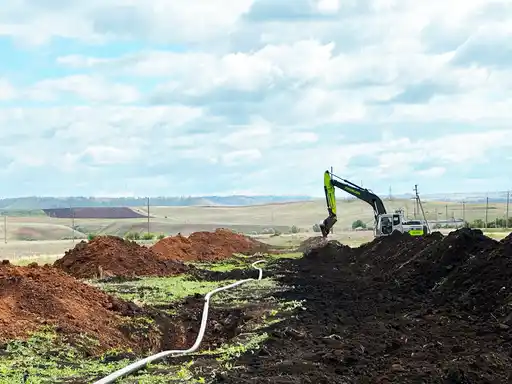
FPS reinforced thermoplastic pipe (RTP) systems are engineered for high-pressure CO₂ transportation used in carbon capture, utilization, and storage (CCUS) infrastructure. CO₂ pipelines require materials capable of handling dense phase flow, pressure fluctuations, and corrosive environments created by moisture and carbonic acid formation. Unlike carbon steel pipelines, RTP eliminates internal corrosion and reduces long-term maintenance risk while enabling faster installation across long pipeline corridors. Flexible pipe systems are particularly advantageous for CO₂ projects because continuous pipe lengths significantly reduce field welding and installation time while maintaining structural integrity under high pressure.
Typical CO₂ pipeline applications include:
Carbon capture and storage (CCS) transport pipelines
CO₂ injection pipelines for enhanced oil recovery (EOR)
Industrial carbon capture transport networks
CO₂ transport between capture plants and sequestration sites
Offshore CO₂ transport lines for subsea storage systems
Key performance advantages include:
Corrosion-free internal flow path for wet CO₂ service
High pressure capability for dense phase CO₂ transport
Reduced installation time compared with welded steel pipelines
Excellent chemical resistance to carbonic acid formation
Lightweight pipe enabling rapid deployment across long distances
RTP systems allow operators to build reliable CO₂ transportation infrastructure while reducing installation cost, corrosion risk, and long-term maintenance compared with traditional steel pipeline systems.
Hydrogen Transport
Hydrogen pipeline infrastructure requires materials capable of handling high pressure while eliminating the risk of hydrogen embrittlement associated with carbon steel pipelines. Reinforced thermoplastic pipe provides a corrosion-free solution specifically suited for modern hydrogen transportation networks. FPS flexible pipeline systems are engineered for high-pressure hydrogen service and currently support the largest outside diameter hydrogen pipe available at high operating pressure in RTP systems, reaching 8-inch OD configurations. This capability allows hydrogen infrastructure projects to transport greater volumes while maintaining the structural benefits of composite pipe systems. Continuous pipe lengths also reduce installation complexity and eliminate extensive welding, providing faster deployment for new hydrogen pipeline networks.
Typical hydrogen pipeline applications include:
Hydrogen transport pipelines for energy infrastructure
Hydrogen supply lines to industrial facilities
Hydrogen injection pipelines for blending systems
Renewable hydrogen transport networks
Key performance advantages include:
No hydrogen embrittlement risk compared with steel pipelines
High pressure capability with large diameter pipe systems
Corrosion-free thermoplastic internal liner
Lightweight pipeline enabling rapid installation
Reduced maintenance requirements over the pipeline life
Reinforced thermoplastic pipe provides a reliable and scalable solution for hydrogen infrastructure projects requiring high pressure, corrosion resistance, and efficient installation across long pipeline corridors.