DEEPSEA
Deep Sea Systems
Flexible pipeline systems engineered for deepwater offshore developments where corrosion resistance, fatigue performance, and installation efficiency are critical. FPS deep-sea RTP, TCP, and flexible pipeline systems connect subsea infrastructure such as PLEMs, subsea trees, and manifolds to floating production facilities including FPSOs, FSOs, and Tension Leg Platforms.
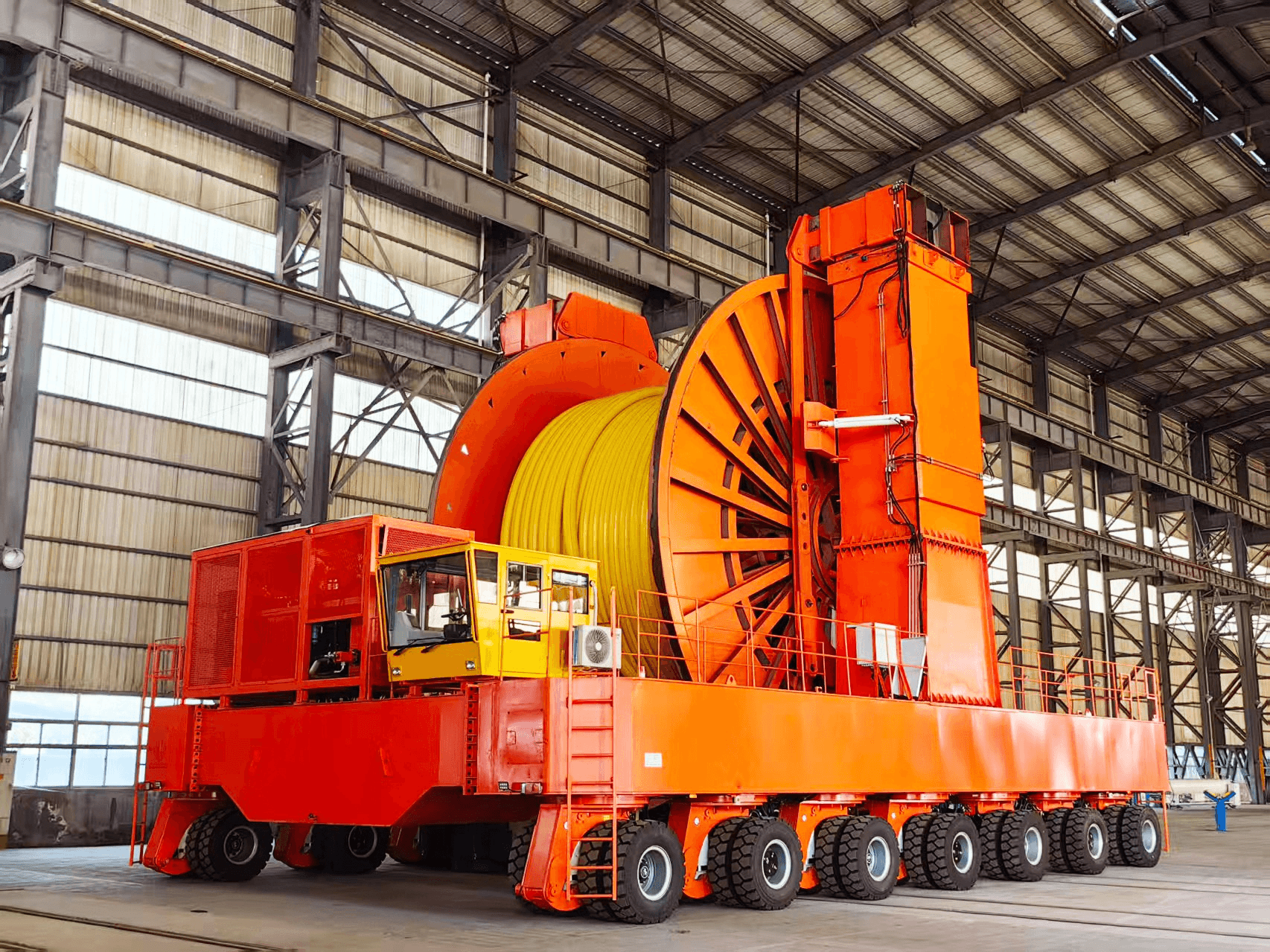
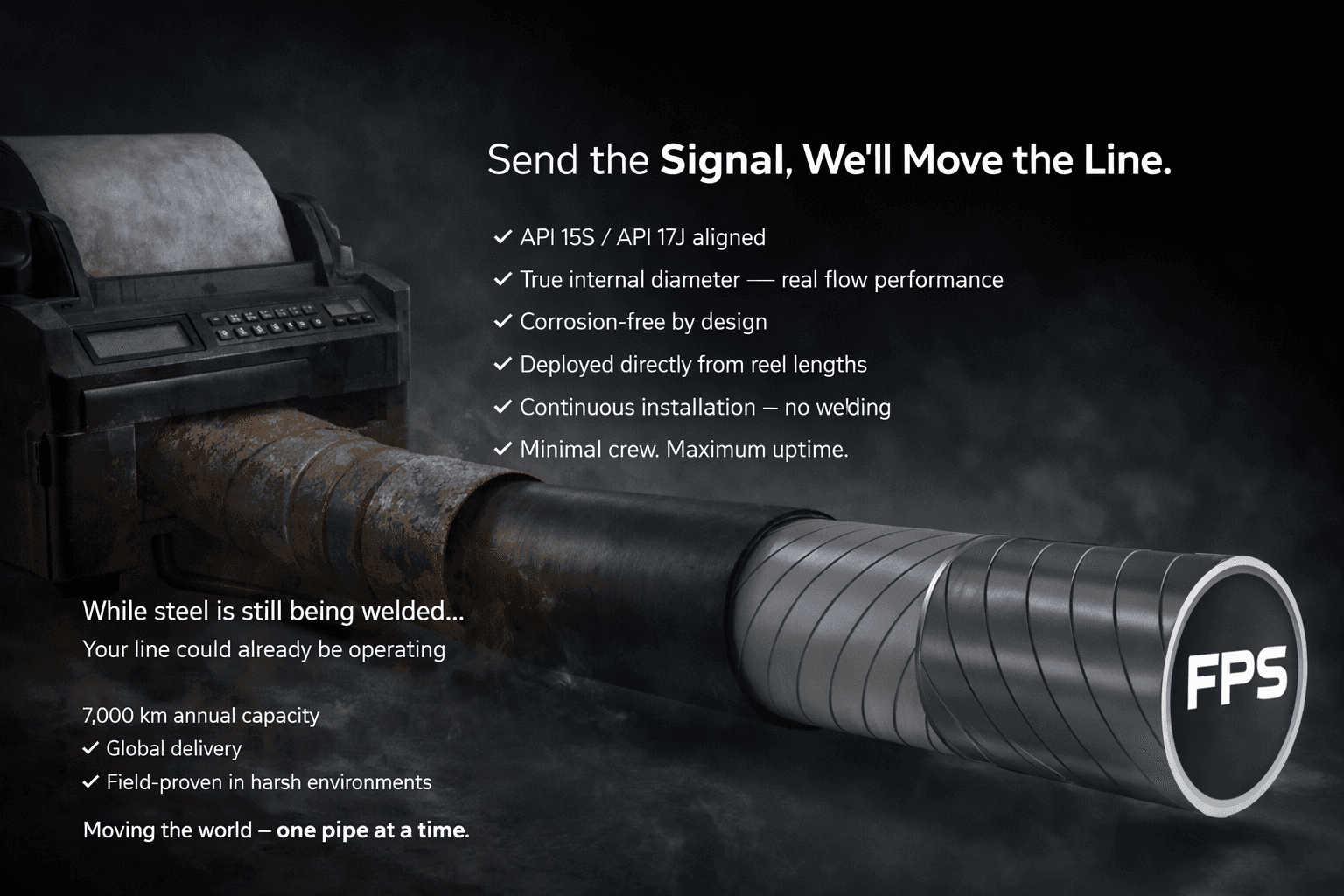
All FPS deep-sea RTP and TCP systems are manufactured and qualified to API 15S, API 17J, and API Q1 standards with full traceability, inspection, and fatigue testing under ISO 9001, ISO 14001, and ISO 45001 systems. With annual production capacity exceeding 7,000 kilometres of pipe, FPS global manufacturing capability delivers reliable offshore pipeline systems for major energy developments worldwide.
Performance Characteristics
Designed for dynamic offshore conditions including vessel motion and subsea currents
Maintains flexibility under pressure and temperature cycling
Resistant to corrosion, fatigue, and internal scaling
Rated for multiphase production fluids, CO₂, and sour service environments
High fatigue resistance for long-term offshore operationhase production fluids, CO₂, and sour service environments
Structure and Material Options
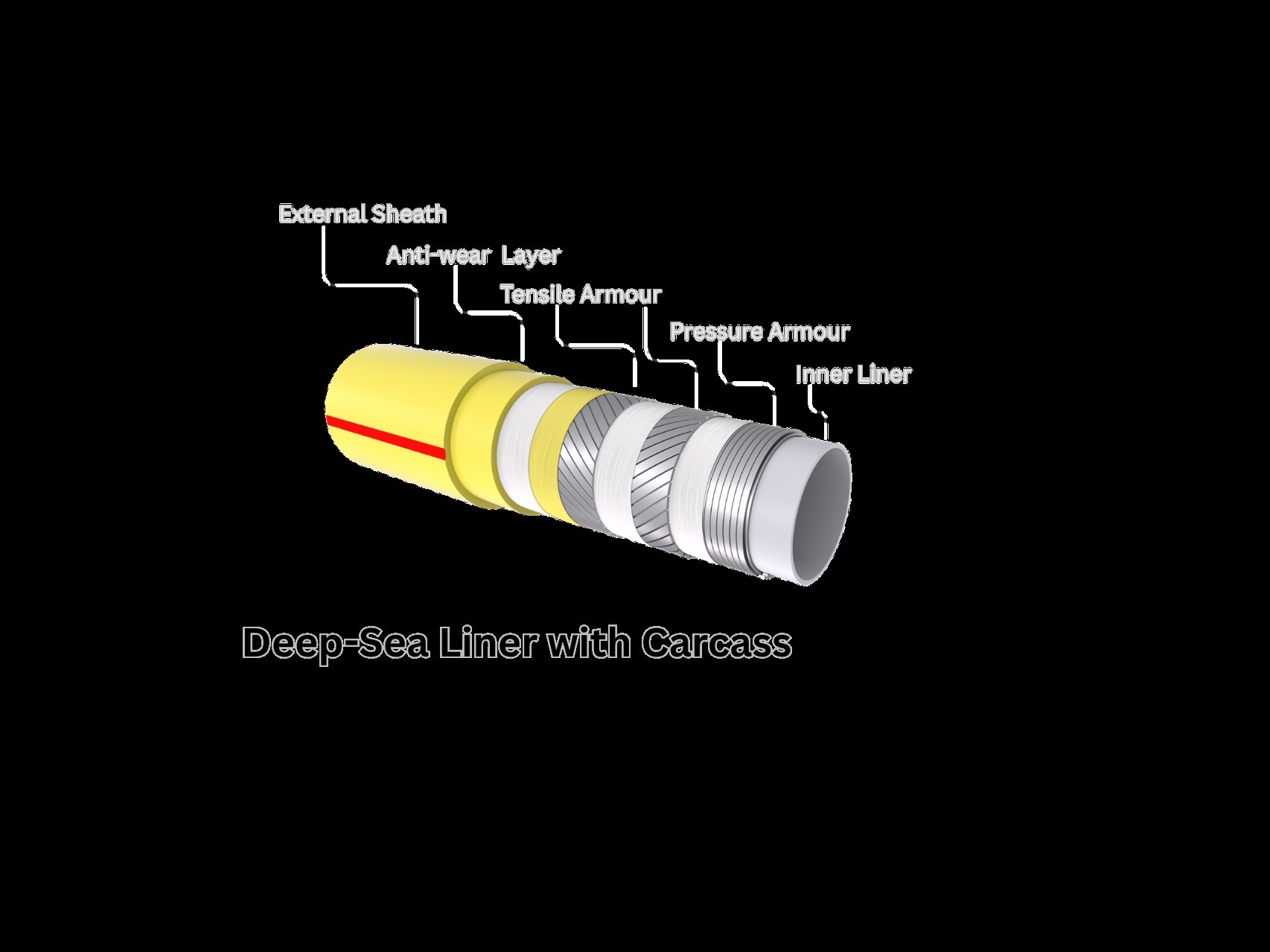
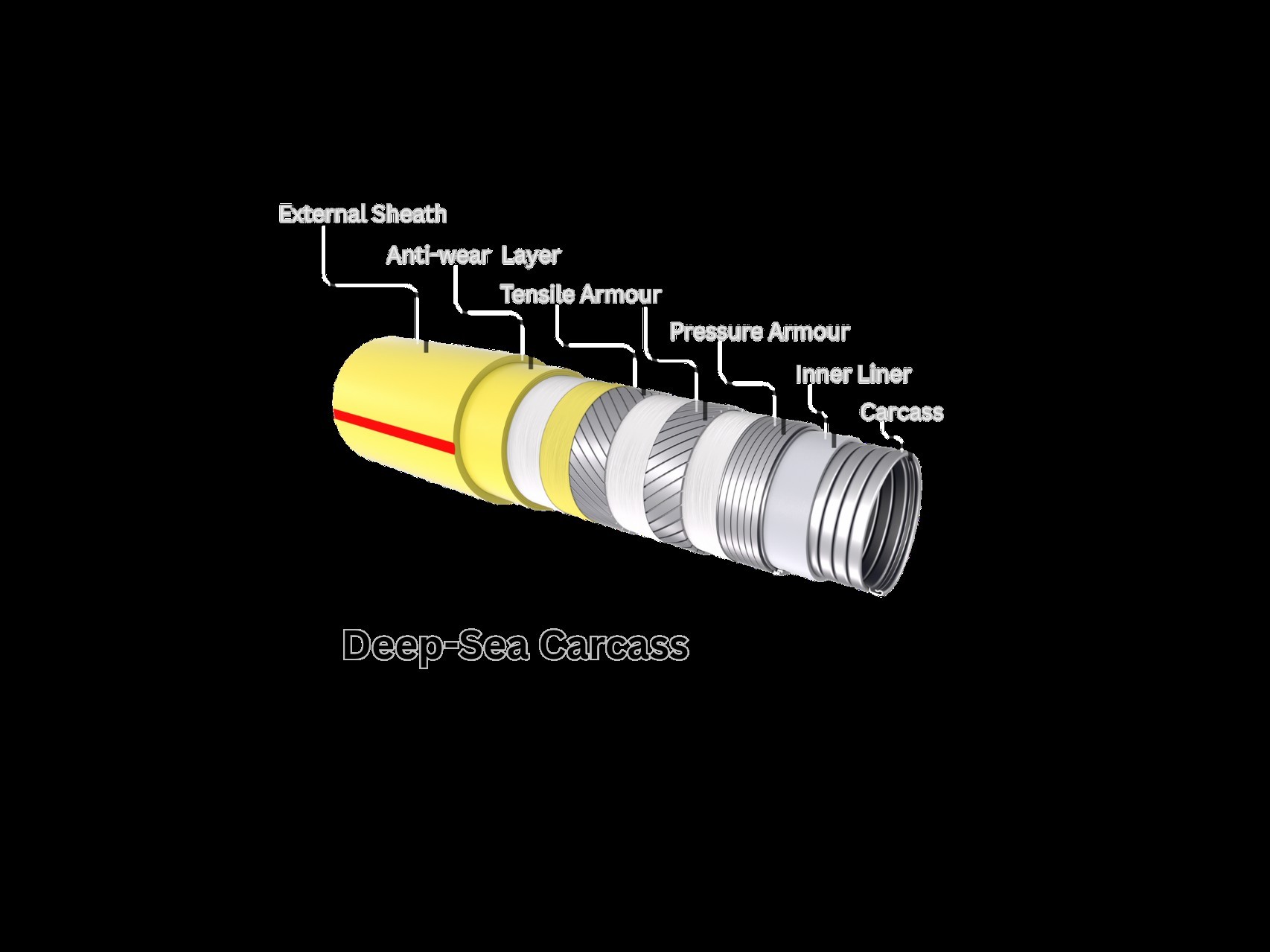
Flexible pipe systems consist of multiple engineered layers designed to withstand internal pressure, external hydrostatic loads, and subsea operating conditions.
Thermoplastic internal liner providing corrosion-resistant fluid containment
Pressure armor layers designed to withstand internal pressure loads
Tensile armor reinforcement providing axial strength for riser applications
Protective external sheath engineered for abrasion and seawater resistance
Optional insulation or wear layers depending on operating environment
Applications
Subsea production flowlines connecting wells to manifolds and PLEMs
Subsea jumpers linking templates, manifolds, and riser bases
Dynamic risers connecting seabed infrastructure to floating production facilities
Gas lift systems and chemical injection lines
Water injection and multiphase transport pipelines
Rapid offshore installation reduces vessel time and project cost
Continuous pipe construction eliminates welding and reduces leak risk
Continuous pipe construction eliminates welding and reduces leak risk
Flexible structure adapts to seabed contours and reduces free spans
Corrosion-resistant materials extend offshore pipeline service life
Potential for retrieval and reuse depending on field development strategy
Offshore pipelines operate in one of the harshest engineering environments in the world. Flexible composite pipeline systems are designed to address the primary design drivers in deepwater developments.
01
External hydrostatic pressure
02
Dynamic fatigue loading
03
Seabed interaction and stability
04
Thermal expansion and pressure cycling
05
Composite pipelines solve offshore engineering constraints.
Deepwater Capability
2" – 16" flexible composite pipeline systems designed for offshore deployment
Engineering Integration
Offshore installation methodology and subsea engineering collaboration
Standards Compliance
Engineered to API 17J, API 15S, and recognized offshore pipeline design practices